
Featured Service: The Life Cycle of a Project
Value Delivered at Every Stage
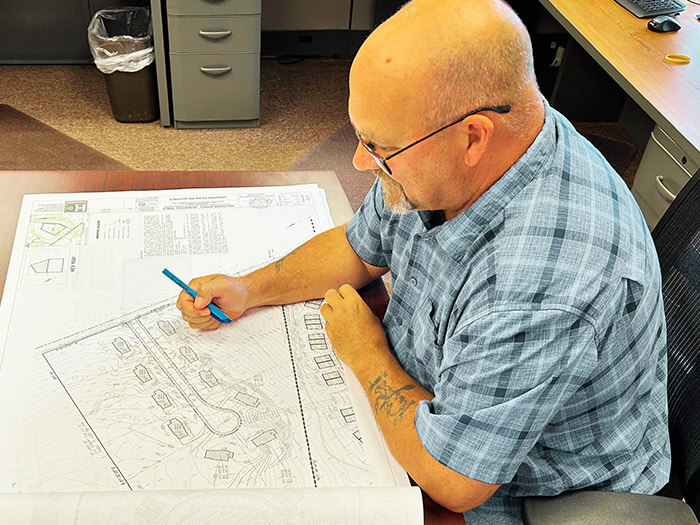
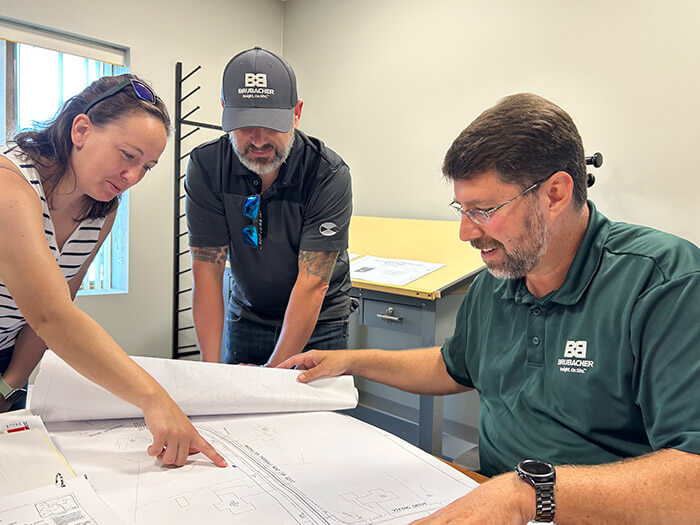
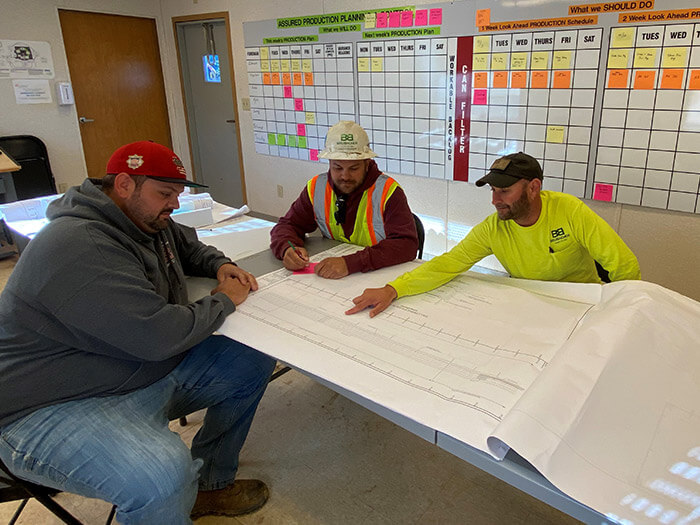
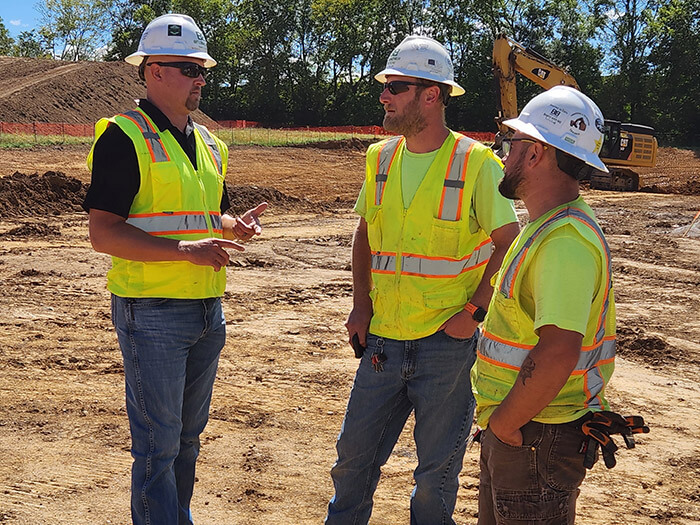
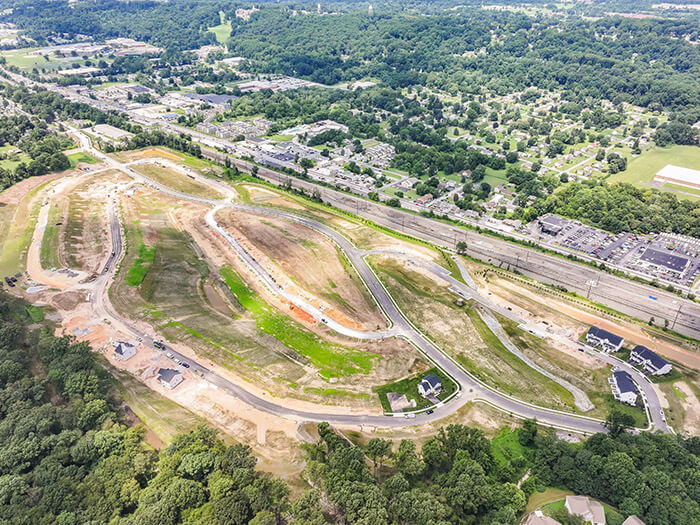
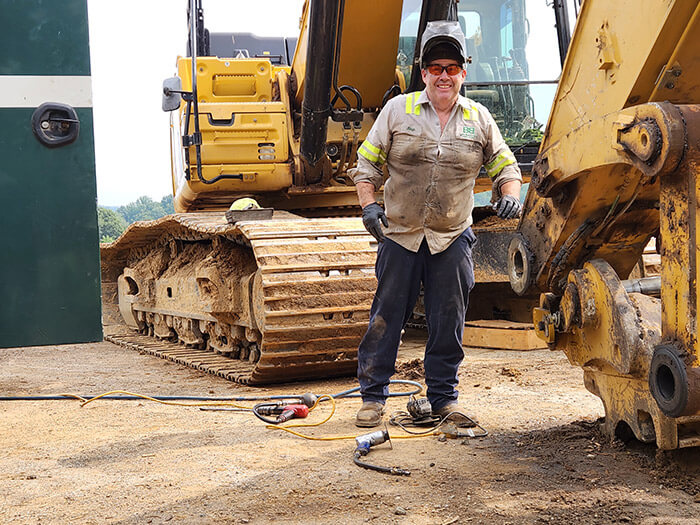
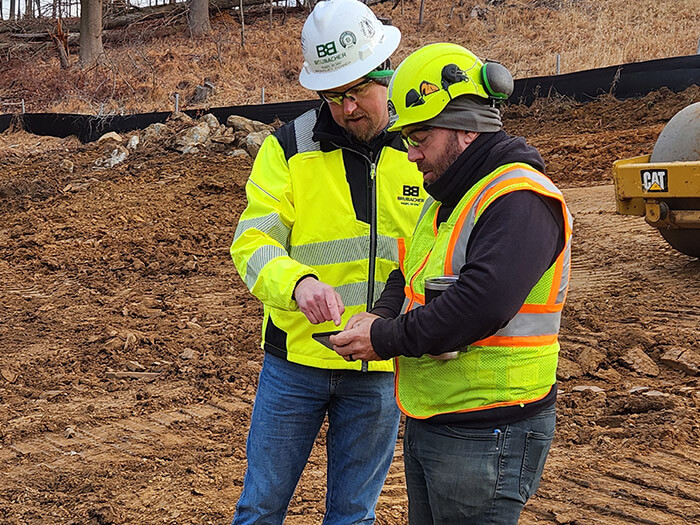
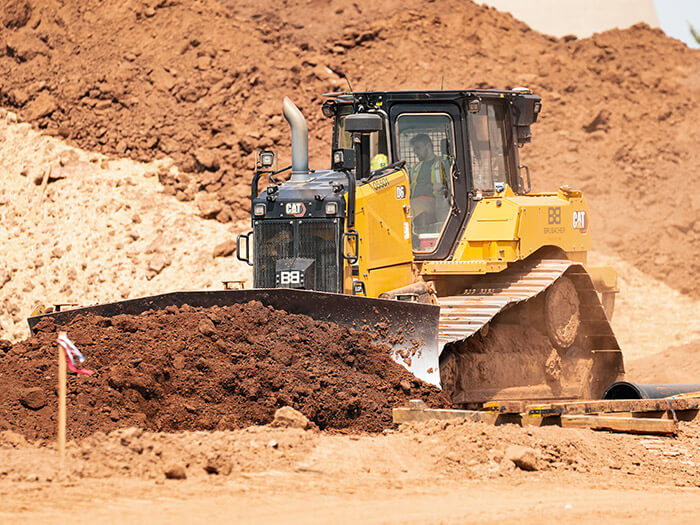
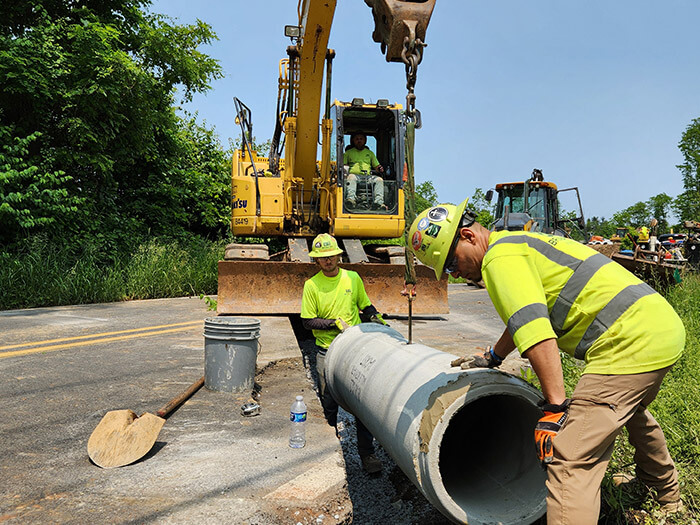
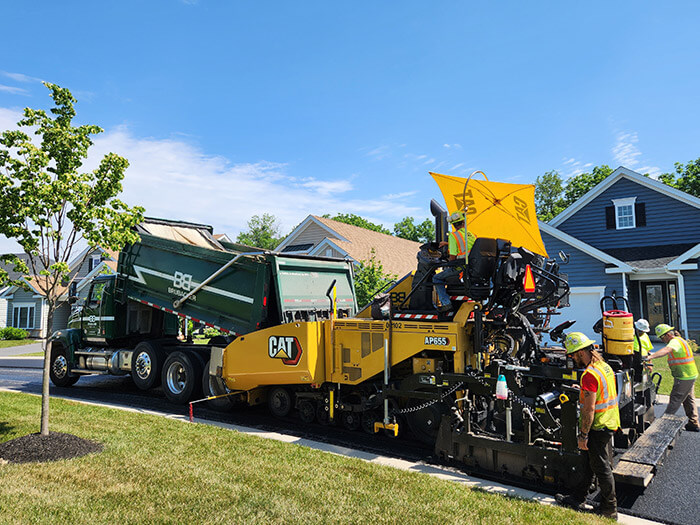
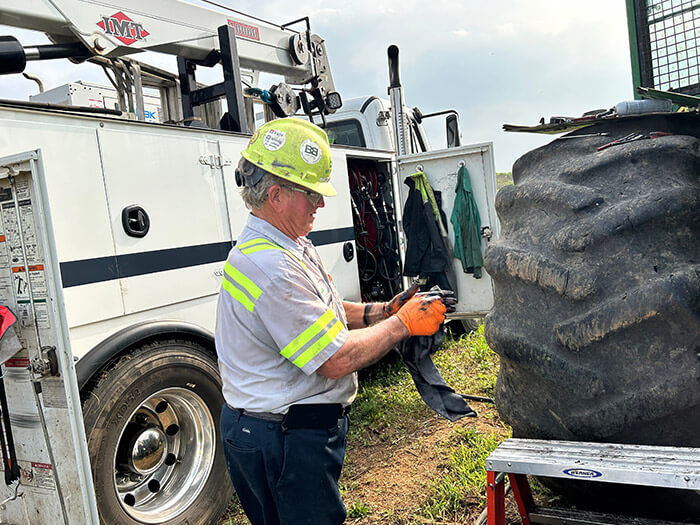
A project’s life cycle rarely follows a straight line. It begins with possibility, moves through planning and decision-making, and becomes work in the field, and is ultimately used by those it was built to serve, supported at every step by the people who guide the process forward. Along the way, the path through those stages is unique for every project, as goals evolve, budgets and schedules are adjusted, and real-time field insights often reshape what a project requires.
That variability is why the earliest interactions matter so much. In many cases, the spark starts with the relationship-building and preliminary insight developed by our Business Development team, helping clients move from ideas toward reality, creating clarity, strengthening trust, and preparing everyone involved for the changes that inevitably surface as a project takes shape.
For Brubacher, the value we bring isn’t confined to a single phase or moment in time. It’s created through the alignment and teamwork that carry a project from concept to completion. As estimating, project management, and field operations step into the process, their roles weave together to form the dynamic structure of the project life cycle, shaped by effective communication, coordination, and problem-solving. And that work starts long before equipment is ever mobilized.
Early-Stage Alignment: Where the Work Truly Begins
The earliest stages of a project often occur out of view, yet these are the moments that have the most significant influence on cost, schedule, and constructability. Many projects require multiple budgeting rounds and months, or even years, of time before they are ready for construction.
During this window, estimating and project management teams conduct substantial due diligence, including constructability reviews, risk mitigation, procurement, scheduling scenarios, and site planning services. These efforts help clients validate feasibility, refine budgets, and anticipate potential issues early.
As Allan D., Director of Estimating and Project Management, noted, “People don’t realize how much work happens before a project ever hits the field—sometimes one to two years of planning, or more. And some projects are estimated multiple times as budgets and designs evolve.”
This early phase is where Brubacher’s delivery of meaningful value as an excavation contractor and full-service site development partner begins to truly shine, long before crews arrive on site.
Communication: Holding the Cycle Together
Clear communication is what keeps a project stable as it transitions from budgeting to detailed planning to field execution. Clients juggle multiple pressures—financing, design revisions, regulatory approvals, market changes—and Brubacher’s goal is to support them with patience, clarity, and consistency.
Equally important is consistent communication across our internal teams. When project managers, estimators, safety team members, operations, fleet, human resources, finance, and project assistants stay aligned, clients encounter fewer surprises and more consistent progress. This discipline is central to delivering Insight. On Site. and ensuring that each phase reflects the expectations set at the beginning.
President Keith B. noted, “Communication can make or break a project. When we stay patient and consistent, everything flows better.”
Teamwork: Collaboration to Power Project Success
Teamwork is the engine that keeps the project life cycle moving. Collaboration begins well before construction starts, with early involvement from project managers to support estimating, clarify assumptions, and ensure a unified understanding of project goals.
Once the work is underway, cross-functional teamwork provides the continuity clients depend on. Estimating supports operations with pricing and constructability insight. Fleet ensures that the right pieces of industry-leading equipment are ready at the right time. HR assists with staffing. Finance keeps billing aligned with progress. Project assistants maintain essential documentation.
Teamwork at Brubacher extends beyond internal coordination. Successful projects rely on clear alignment with clients, engineers, vendors, and subcontractors—partners whose decisions and expertise shape each phase of the work. When everyone shares the same understanding of purpose, scope, and expectations, the entire project moves forward with greater clarity and fewer surprises. While teamwork is also one of our core values, it’s also a daily commitment and the structure that supports a successful project from the earliest conversations through closeout.
Problem-Solving: Bringing Solutions, Not Issues
Unexpected challenges are part of every construction project. What defines Brubacher’s approach is the mindset behind how those challenges are addressed. The team evaluates options as if the dollars were their own, respects the expertise of design partners, and focuses on partnership rather than criticism. This mindset often leads to meaningful solutions that improve a project’s overall performance.
Recent examples illustrate the positive impact of thoughtful site construction value engineering:
- Proposing modifications to an underground stormwater system—saving the client roughly $100,000.
- Proposing an alternative sewer layout that avoided significant relocations and resulted in $500,000–$600,000 in savings.
Director of Construction Client Services Mitch N. shared, “We treat the client’s money like it’s ours. If there’s a better way, we’re going to bring it forward. When we can propose something that saves a client hundreds of thousands of dollars, that’s real partnership.”
Navigating Modern Realities with Flexibility
Today’s projects are shaped by shifting decisions, evolving design details, and unpredictability in the market. Residential developments, in particular, experience frequent last-minute adjustments that require flexibility and quick thinking.
Brubacher responds with proactive planning and scenario-based scheduling, allowing teams to adjust sequencing, staffing, or equipment needs without losing momentum. This adaptability helps clients move forward with confidence, even when circumstances change late in the process.
All Hands Contribute to Project Success
Much of what makes a project run smoothly happens behind the scenes: fleet technicians ensuring equipment reliability, HR supporting workforce needs, finance coordinating billing expectations, project assistants maintaining communication, and equipment maintenance teams keeping equipment safe and reliable.
These efforts reinforce the themes of communication, alignment, and teamwork that define the life cycle of a project. They are the steady, reliable contributions clients seldom see, but they come to rely on them throughout every stage.
Across the team, one idea rises to the surface when we reflect on the value Brubacher brings to every project: ownership. From the first conversation to the final pavement and signs, our people take pride in the work and the relationships that make each project successful. That commitment shows up in every phase of the project life cycle. Through dependable communication, early alignment, cross-functional teamwork, and practical problem-solving, we focus on doing things the right way, so our clients can move forward with confidence at every step.